Hiace Camper Weight Distribution & Payload Planning Guide (Australia)
10:26 09/02/2026Hiace Camper Weight Distribution & Payload Planning
(Essential for Safe DIY Builds)
Weight planning is one of the most overlooked parts of building a DIY camper kit for Hiace. Poor weight distribution can lead to:
Unsafe handling
Suspension damage
Reduced braking performance
Legal compliance issues in Australia
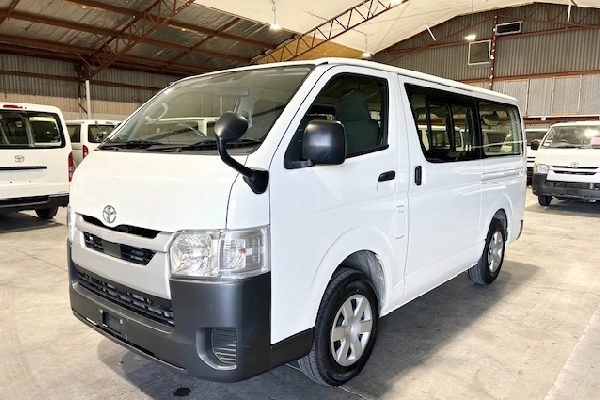
Whether you’re building a Hiace 4WD campervan, modular camper, or full touring setup, understanding payload and weight balance is critical.
What Is Payload in a Toyota Hiace?
Payload = the total weight your van can safely carry:
Bed
Drawers
Kitchen
Batteries
Water tanks
Passengers
Gear
Typical Toyota Hiace payload capacity:
~1,000 – 1,200 kg (varies by model/year)
Always check the specific vehicle compliance plate.
Where Weight Comes From in Camper Builds
Common Component Weights
Bed frame + mattress: 50 – 120 kg
Drawer system: 40 – 90 kg
Water tank (full): 40 – 100 kg
Dual battery setup: 30 – 60 kg
Kitchen unit: 30 – 80 kg
Fridge: 20 – 40 kg
A fully built Hiace camper can easily add 400 – 700 kg.
Weight Distribution Basics
The goal: keep weight low, centered, and balanced.
Ideal Placement
Front area
Batteries
Electrical systems
Mid area
Water tanks
Kitchen
Rear area
Bed + light storage only
Avoid placing heavy items entirely at the rear — this stresses suspension and affects steering.
Wheel Axle Load Balance
Poor axle balance can cause:
Rear sagging
Tire wear
Instability at highway speed
General Rule
50–60% weight toward front axle
40–50% toward rear axle
This keeps handling predictable across long-distance travel in NSW & QLD.
Suspension & Load Upgrades
When payload increases, suspension may need upgrades.
Common upgrades
Heavy-duty rear springs
Airbag suspension support
Load-rated shock absorbers
Especially important for:
Hiace 4x4 off-road builds
Full-time touring setups
Payload Planning with Hiace Interior Layouts
Fixed Layout Builds
Heavier
Requires early weight planning
Best for balanced distribution designs
Modular Layout Builds
Lighter
Flexible weight positioning
Easier to adjust over time
Using accurate Dimensions for Toyota Hiace helps avoid stacking heavy components in one zone.
Real Build References
See how real builds distribute weight:
🎥 Touring Hiace interior layout
https://www.youtube.com/watch?v=XsCpPG2m4VU
🎥 Modular storage and component placement
https://www.youtube.com/watch?v=5eab2iWhGMI
Safety & Legal Considerations (Australia)
Exceeding payload can:
Void insurance
Cause registration issues
Fail roadworthy checks
Always confirm:
Gross Vehicle Mass (GVM)
Payload allowance after conversion
Choosing the Right Hiace for Heavy Camper Builds
Some Hiace models handle camper conversions better.
Explore suitable vehicles:
Related pages:
👉 https://commercialmotorgroup.com.au/toyota-hiace-van-for-sale.html
👉 https://commercialmotorgroup.com.au/campervan-for-sale.html
👉 https://commercialmotorgroup.com.au/commercial-van-for-sale.html
Commercial Motor Group specializes in Toyota Hiace models suited for camper conversions across NSW & QLD.
Weight Planning Checklist
Before building:
Confirm payload rating
Plan component weights
Position heavy items forward
Keep weight low to floor
Avoid heavy rear-only layouts
This prevents rebuilds and safety issues later.
Hiace SUPER GL Diesel 4WD Campervan: Built for Adventure Across Australia
Campervan for Sales in Tweed Heads: A Complete Guide for Campervan Buyers
Campervan for Sales in Central Coast: The Ultimate Campervan Buying Guide
Campervan for Sales in Sunshine Coast: A Complete Guide for Campervan Buyers
Campervan for Sales in QLD: The Ultimate Guide for Queensland Buyers
Campervan for Sales in NSW: A Complete Guide for Campervan Buyers
Campervan for Sales in Gold Coast: Your Complete Campervan Buying Guide
Campervan for Sales in Sydney: A Complete Guide for Buyers
Campervan for Sales in Brisbane: The Complete Guide to Finding the Right Campervan
Hiace Van Dimensions (Inside and Out) in Tweed Heads: The Complete Buyer’s Guide